Thứ Năm, 30 tháng 10, 2014

Cách phân biệt nhung hươu thật giả

Hàng quý tộc khó kiểm định

Đặc tính của hươu nai giong là chỉ con đực mới mọc sừng. Khi mới mọc, sừng non (thường gọi lộc nhung) có chiều dài khoảng từ 5-20cm, mềm, mặt ngoài phủ đầy lông tơ màu nâu nhạt, phía trong sừng có nhiều mạch máu. Theo ông Lê Tá, một chủ trang trại từng nuôi hươu nai khai thác lộc tại quận 12 (TPHCM) nay đã giải nghệ, nhung hươu đẹp nhất nặng từ 5-6 lạng (500-600gram). Một đời hươu đực trải qua 16-18 lần cắt nhung, mỗi năm cho nhung một lần.

Ông Tá tâm tình: Khi đi mua nhung huou nguyen chat, vì sợ lầm hàng, người sành điệu chỉ mua lộc khi họ được tận mắt chứng kiến cảnh cưa cắt mà thôi. Nhưng không phải ai cũng có kinh nghiệm, thời gian, tiền bạc, sức khỏe để lặn lội hàng chục, thậm chí hàng trăm kilômet đến các trang trại đặng chứng kiến tận mắt cảnh cắt cưa ấy. Điều này đồng nghĩa với việc nhiều người phải mua lộc nhung qua các mối trung gian. Tận dụng cơ hội đó, dân buôn lộc trời ơi thường gả những cặp lộc quá lứa cho khách với giá hàng xịn.

Theo các chuyên gia, lộc nhung tốt là loại mềm, chưa phân yên, nghĩa là khi dùng dao cắt sẽ thái được toàn bộ chứ không đụng xương tảng, không đứt (dấu hiệu chuyển sang sừng).
Cách phân biệt nhung hươu thật giả


Lương y Đỗ Mạch, ở phố thuốc Hải Thượng Lãn Ông (Q.5, TPHCM) chỉ rõ cách nhận biết giá trị thực tế của lộc nhung hươu, nai. Hươu có lông đen mịn, có đốm, còn nai thì to hơn hươu, lông cứng hơn, có màu xám hoặc nâu. Mùa thu hoạch nhung hươu thường vào tháng 2-3 âm lịch, mùa nhung nai chậm hơn 1-2 tháng sau đó. Nhung nai có màu sẫm, lông nâu, to, nặng và rẻ hơn nhung hươu. Nếu như lộc nhung nai có giá khoảng 5 triệu đồng một kilôgam thì lộc nhung hươu có giá trị hơn, khoảng từ 6-7 triệu đồng. Vấn đề ở chỗ nếu không biết cách nhận biết đâu là nhung hươu, nai thì khách rất dễ bị luộc.

Lương y Mạch tiết lộ xảo thuật làm giả lộc nhung huou tuoi nai của phường gian thương: Bọn gian tạo hình lộc nhung bằng cách nhét tiết lợn cùng xương thỏ băm nhỏ vào da chó, da dê con rồi dùng một loại keo đặc biệt dán chặt. Để chắc ăn, tiếp đó họ sẽ bôi thêm phẩm đỏ hoặc phẩm có màu nâu nhạt đặng xóa vết dán. Thấy cặp nhung đỏ màu tươi rói, nhiều người lao vào mua và… dính đạn.

Lương y Mạch khẳng định: Đây chính là cội nguồn của hiện tượng nhiều con buôn không nuôi hươu nai nhưng nếu khách có nhu cầu bao nhiêu cặp lộc nhung thì họ sẵn sàng đáp ứng trong thời gian ngắn nhất. Do vậy nếu không trực tiếp thấy chủ trang trại cắt lộc thì đừng… xông trận.

Cẩn trọng kẻo mất mạng!

Qua nghiên cứu, cả Đông lẫn Tây y đều đi đến kết luận, lộc nhung có tác dụng giúp người bệnh ngủ ngon, giảm mệt mỏi, tăng sức đề kháng cho cơ thể, giúp vết thương chóng lành và nhất là có tác dụng tốt với các chứng bệnh như tim, nhược năng, bệnh thần kinh thực vật…

Để bán được hàng và bán được với giá cao, nhiều ông bà chủ trang trại hươu nai nhân kết luận đó mạnh miệng tuyên bố thêm, nam-phụ-lão-ấu ai dùng lộc nhung cũng tốt. Người có bệnh thì dùng chữa bệnh, không bệnh thì giúp bồi bổ sức khỏe, ngăn ngừa bệnh tật.

Lại có vị chủ trại cam đoan ai dùng lộc nhung do trang trại mình cung cấp sẽ có nước da láng mịn, mái tóc mượt mà, đàn bà sung mãn, đàn ông thăng hoa. Các chứng bệnh như vô sinh, lao phổ, viêm gan, xơ gan… cũng bị dược tính của lộc nhung đẩy lùi mà dứt tiệt.

Nói đến đây, lương y Mạch lắc đầu: Không chỉ đồn uống rượu ngâm lộc nhung không lo chưa đến chợ đã hết tiền, nhiều ông bà chủ còn tuyên bố chắc nịch uống rượu lộc nhung có sức bắn phá lung tung, bắn chỗ nào là dính con trai chỗ nấy. Một đồn mười, mười đồn trăm, vậy là hình thành trào lưu… nguy hại.

Như lương y Mạch, lương y Hoàng Linh ở nhà thuốc Vạn Xuân cho rằng, lộc nhung có vị ngọt, mặn, có công năng bổ tủy, trợ thận âm…, biết dùng rất tốt cho sức khỏe nhưng nếu lạm dụng sẽ phản tác dụng bởi không phải ai dùng cũng tốt, càng không phải là thuốc tiên chữa bách bệnh.

Lương y Linh cảnh báo: Nhung hươu là chất bổ âm, chỉ dùng tốt với người thận dương không đủ. Những người bị cao huyết áp, có hội chứng âm hư với biểu hiện người gầy, hay có cảm giác sốt về chiều, môi khô, miệng khát, đại tiện táo, tiểu tiện sẻn đỏ… tuyệt đối không được dùng lộc nhung. Người còn trẻ hoặc có sức khỏe bình thường khi dùng lộc nhung phải tiến hành theo dõi tình trạng sức khỏe. Nói chung mọi người không được tùy tiện dùng lộc nhung khi chưa có chỉ định hoặc tham khảo ý kiến của các lương y, bác sĩ. Đã có nhiều trường hợp tự ý sử dụng lộc nhung và sử dụng vô tội vạ dẫn đến hậu quả thương tâm: Toàn thân bị co giật, động huyết, ngực phát nóng, liên tục đổ mồ hôi trộm… để rồi khỏe đâu không thấy, chỉ thấy bệnh tình càng nặng thêm.

Thứ Tư, 29 tháng 10, 2014

Wild Life in Halong

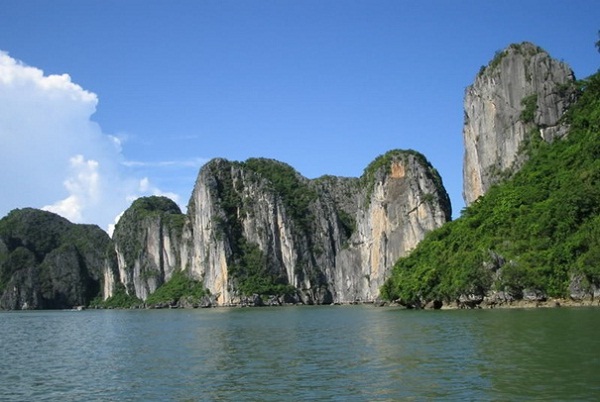
Wild Life in Halong: largely includes bats and a wide variety of marine creatures. Because of the tropical climate, Wild life in Halong has thrived to a large extent in Vietnam.
Bats are just one of countless wildlife species that inhabit the islands and caves of this ancient, World Heritage-listed site. Halong Bay tours has nearly 2000 islands, half of which remain unnamed. Most are covered by thick jungle inhabited only by monkeys and birds. 
Haa Long Bay features ecosystems of a tropical ocean region, such as: salt water-flooded forests, coral reefs and tropical rain forests. H?a Long Bay is home to 163 species of coral, from 44 lines of descent and 12 families. Coral reefs are distributed everywhere usually at a depth of 4 to 6m. The coverage rate of coral reef is 30% on average. There are areas where it attains 70 to 80%, such as at Cong Do and B? Hung. The coral forests of Ha Long Bay are a wonderful sight, with many extraordinary shapes and diversified colors.3 best places kayaking in Halong bay
Wild Life in Halong
Wild Life in Halong

The reefs are residence to a great number of species. There are primarily 107 varieties of fishes, water plants, algae and transitory animals and plants. Also living in these flooded forests are a great many species of animals. These include migrating 37 species of birds, 81 species of sea-bottom animals and fish belonging to 55 families. Fishing is the lifeblood of most Vietnamese, and features prominently in all their dishes. Read more: Halong bay map
In particular, bottom-feeders account for 61% of the total species in the whole tidal region, with many species like arcae, meretrixes and all kinds of crustaceans being of great economic value.
The tropical rain forest ecosystem also features a rich quantity of species: dinh, huong, sen, tau trees. This is the residence of various rare and precious creatures like deer, weasels, squirrels and in particular, white-tabby and red-haired monkeys

Thứ Năm, 23 tháng 10, 2014

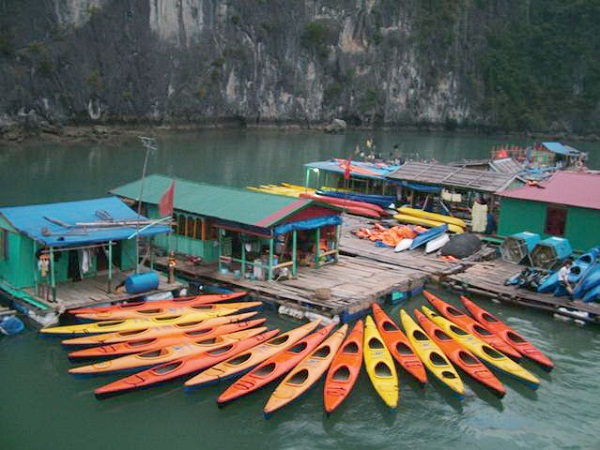
Ba Hang and Cap La Fishing Village in Halong bay

Ba Hang Fishing Village in Halong bay

Ba Hang (Three) Caves is one of 4 fishing villages serving major tourist attractions in Halong Bay. Located in the region of well-known three caves, located next to thiencung (heaven) grotto, daugo grotto ... Visit Ba Hang Fishing Village in Halong bay with Halong bay cruise


with about 50 families...Ba Hang (Three) Caves is one of 4 fishing villages serving major tourist attractions in Halong Bay. Located in the region of well-known three caves, located next to thiencung (heaven) grotto, daugo grotto ... with about 50 families, Ba hang fishing village for tourists to visit, purchase and sale of marine, kayaking service... Read more:  
Paradise Cruise Halong bayIndochina Sails cruise Halong bay

Ba Hang Fishing Village in Halong bay
Ba Hang and Cap La Fishing Village in Halong bay


Cap La Fishing Village in Halong Bay

Cap La is one of the small fishing village (lying between Bai Tu Long & Halong Bay). There are 80 family holders with more than 200 people living in this village. They live by fishing. Children go to school until they are 12 years old, then they stop for working as fish man.

No national electricity system here. The local have to use the electricity generators. It is hard and expensive to buy clean water and petrol her.

Thứ Tư, 15 tháng 10, 2014

Mekong floating market

Cho Gao Floating Market
In the early morning, you could travel by your comfortable bus towards Can Duoc, where you come aboard of your boat to cruise to the Cho Gao floating market.
This sightseeing is extremely interesting as you participate in the life of the local people. The market is a melting pot of colors, shapes, sounds and smells. Rice, fresh fruit, fish, handicrafts, bonsais, almost everything is for sale, a great opportunity to find some nice souvenirs for the loved-ones at home! Read more: Mekong river tours
Phong Dien Floating Market
Boats loaded with produce from nearby orchards of the Mekong Delta converge to the floating market. They carry mostly fruits but also coconuts, vegetables and fishes.
Buyers are local traders with bigger boats snapping everything by the bushels and resell at local markets or to wholesale dealers from big cities, often for a handsome profit.
Large floating markets are not complete without its floating restaurants, floating gas stations and an occasional tour boat filled with tourists. 
Mekong floating market

Perhaps the best floating market in the Mekong Delta, Phong Dien has fewer motorised craft and more stand-up rowing boats. It's less crowded than Cai Rang and there are far fewer tourists. The market is at its bustling best between 6am and 8am.
It is theoretically possible to do a whirl- wind boat trip here, visiting the small canals on the way and finishing back at the Cai Rang floating market. This journey should take approximately five hours return from Can Tho.
Cai Be Floating Market
It is opened from 5am to 5pm. It is best to go early in the morning. Wholesalers on big boats moor here, each specialising in one or a few types of fruit or vegetable. Customers cruise the market in smaller boats and can easily find what they're looking for, as the larger boats hang samples of their goods from tall wooden poles.
One interesting thing you won't see at other floating markets is the huge Catholic cathedral on the riverside - a popular and fantastic backdrop for photographs.
It takes about an hour to reach the market from Vinh Long, but most people make detours on the way there or back to see the canals or visit orchards.
Phung Hiep Floating Market
The market meets all day long, but most noisy and busy in the morning. The precious evening, from far-and-wide, boats full of seasonal vegetables and fruits: mangoes, durians, bananas, oranges, coconuts... left their villages to head for the sunrise market. Every boat is full of fruits. Some boats are covered with roofs, some are not. On boats without roofs, the sellers have to hold high a stick hanging with fruits as signals. Market-goers do not bargain, just a few words exchange, they sell and get paid. Normally, fruits are sold and brought to big boats. Then they will be transported to fruit-processing factories or to Ho Chi Minh City, Vung Tau, even to Hanoi and Northern provinces.
It's a floating market' but services are available, foods and drinks on small boats twist and turn to serve hungry sellers and buyers. Signal to buy is only a whistling or waving band. Apart from fruits, local products: snakes, birds, turtles... are easy to find near Phung Hiep bridge. These specialties are almost bought and brought to restaurants in Can Tho or Ho Chi Minh City.
The atmosphere in Phung Hiep market was exciting, as we witnessed snake traders fearfully transferring poisonous copperheads, kraits, and rattlesnakes, from their cages to purchaser’s jute bags.
The price for a snake ranges from tens of thousands of dong for individual specimens, to hundreds of thousands of dong per kilogram. One kilogram of water snakes is priced at VND30, 000-VND50, 000 (US$1.88 - $3.13); while copperheads sell for between VND50, 000-VND400, 000 ($3.13 - $25) per kilo.
Second to the snakes in quantity at Phung Hiep market are wild birds. All species favoured by urban gastronomers such as cao, cu dat, stork, blosh dove, moorcook, and la mia, are sold at the market.
Birds are hanged up on the motorbikes of bird hunters from rural areas and confined in narrowed cages. Thousands of birds are purchased each hour, and transported to “headquarters” for retail sale to restaurants in Ho Chi Minh City and southwestern provinces.
Phung Hiep Snake Market, located close to the floating market, is known worldwide. Visitors from all over the world go there to taste the snake liquor and see the dangerous snake dance.

Thứ Năm, 9 tháng 10, 2014

Halong Weather

Halong weather is typical for tropical coastal climate, which has two main seasons all year around. From April to September, it is often hot and humid; from October to March the weather is dry with some cold months.
The average temperature of Halong Bay tours is 23.7 degree Celsius. In the summer, the average temperature is 34.9oC while the maximum temperature recorded is 38oC. The heat may be reduced thanks to its location amid the mountains and grottos. On the other hand, during winter, it might get as low as 13.7oC on the average, and the lowest could be as low as 5oC. Some may find it hard to travel in January when the weather can be biting cold. Read more: V'spirit cruise
The city has a relatively high average annual rainfall of 1,832mm, which is unevenly distributed depending on the two main seasons. During the rain season, and also summer, from May to end of August, the rainfall amounts for 80-85% of the total rainfall of the year, with the maximum of 350mm in July and August. Winter, and also dry season (from November to April of the next year) witnesses little raining of around 15-20% of the total rainfall, with the minimum amount varying in between 4 and 40mm during December and January.
Halong Weather
Halong Weather

Halong is one of the most humid cities in Vietnam with the average annual humidity at 84%, which fluctuate from a minimum of 68% to a maximum of 90% in a year. Travel Vietnam
Due to the unique geological and topographic characteristic, Halong has two kinds of monsoon, which are Northeast monsoon in the winter, and Southwest monsoon in the summer. The average wind speed is 2.8m/s, and Southwest monsoon is the strongest one with its speed reaches 45m/s.
Thanks to the nature of a closed-sea area, Halong is lucky not to be much affected by heavy storms. The strongest storms on the bay normally are at level 9 and 10, hardly anytime reaching level 11.